Website Development Cost: What You Should Expect in 2026
Learn the key factors that affect website development cost, including design, features, hosting, maintenance, and SEO.

If you’re planning to create a website for your business, one of the first questions you’ll likely ask is:
“How much does a website cost?”
The answer depends on several factors, including the type of website, the features you need, and whether you choose a template-based solution or a custom-built website.
In this guide, we’ll break down the key factors that affect website pricing so you can make an informed decision.
No two websites are exactly alike.
A simple informational website will cost significantly less than an e-commerce store with hundreds of products and custom functionality.
The final cost depends on:
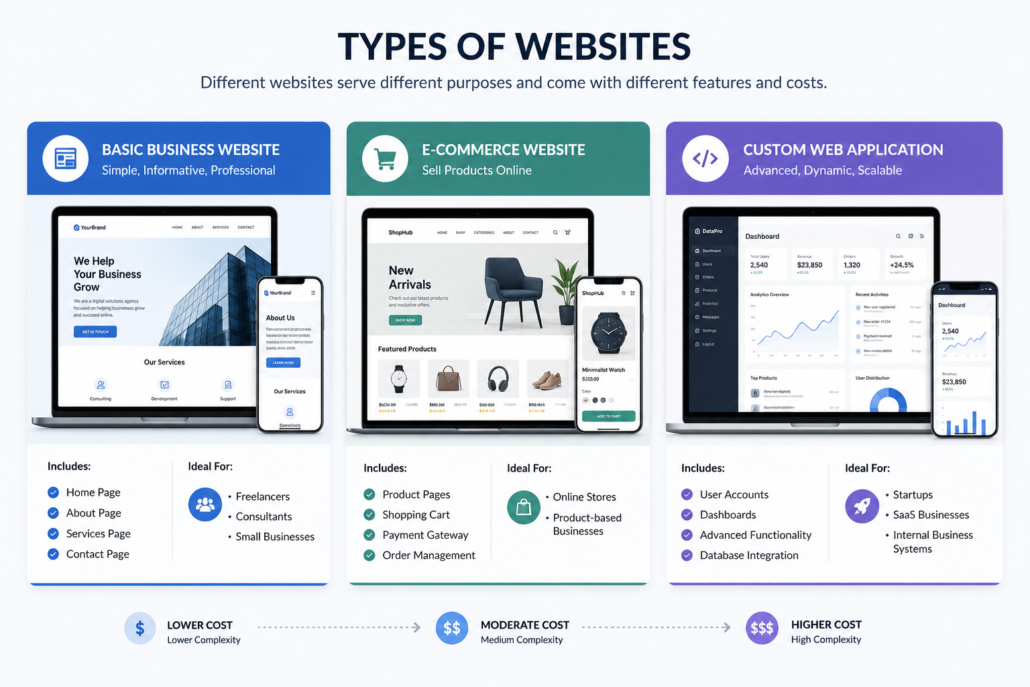
Choosing the right type of website is one of the biggest factors affecting project cost and complexity. Basic business websites are typically the most affordable, e-commerce websites require additional functionality, and custom web applications involve advanced features and development effort.
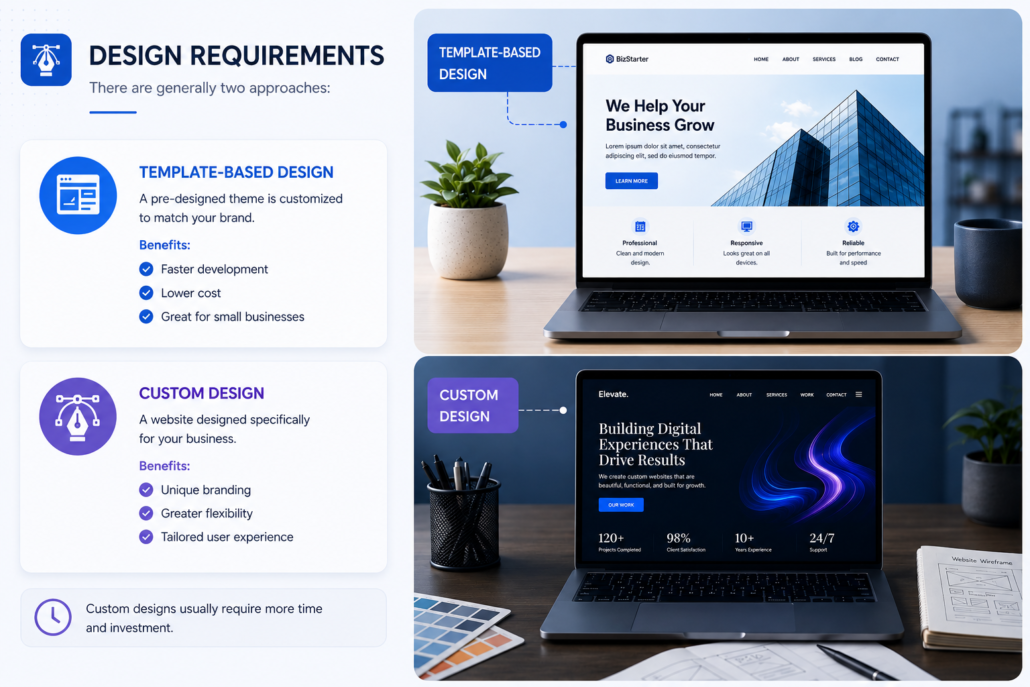
The design approach you choose can significantly affect both the cost and development timeline. Template-based designs are typically faster and more affordable, while custom designs offer greater flexibility and a unique brand experience but require additional time and investment.
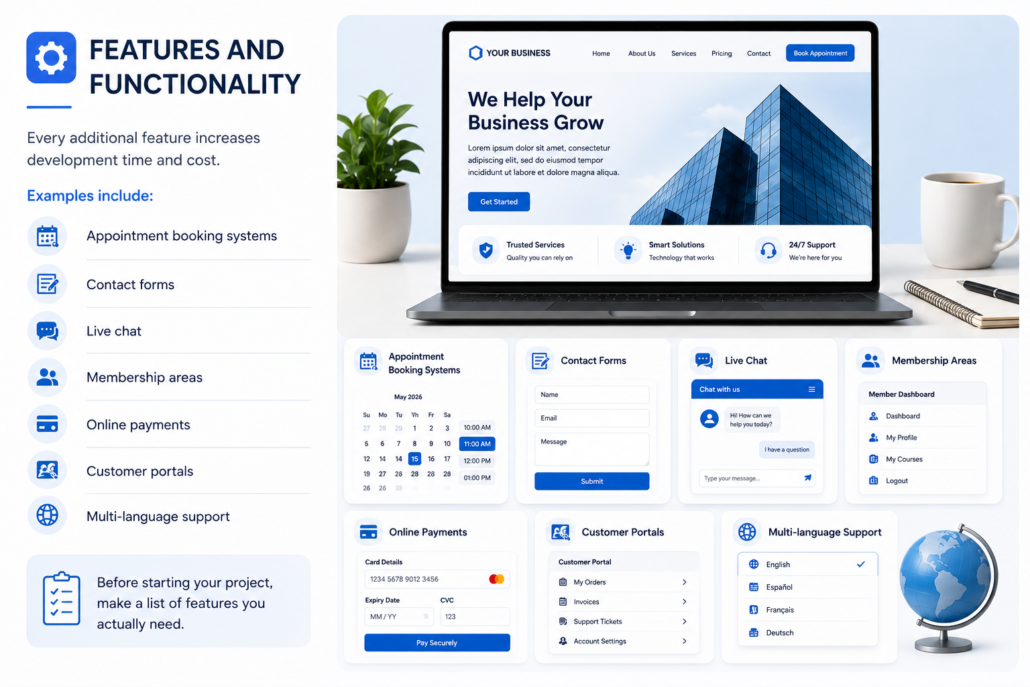
The number and complexity of features you require can significantly affect both development time and project cost. Simple websites may only need basic functionality, while advanced features such as online payments, customer portals, booking systems, and membership areas typically require additional development effort.
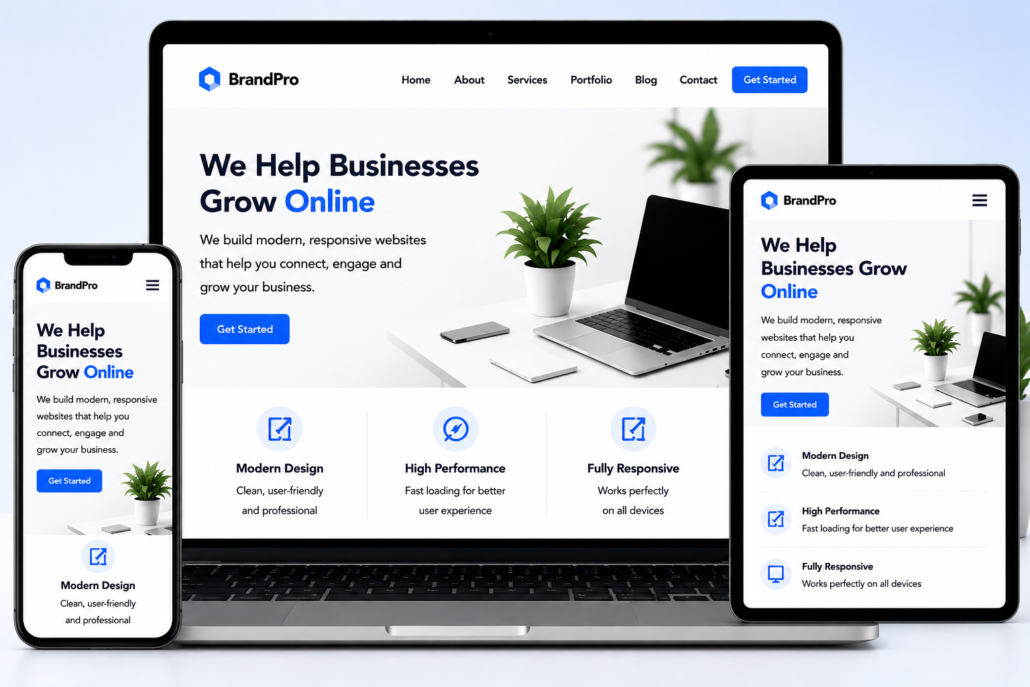
Today, most website visitors browse using smartphones.
A professional website should work seamlessly on:
Responsive design is no longer optional—it’s essential.
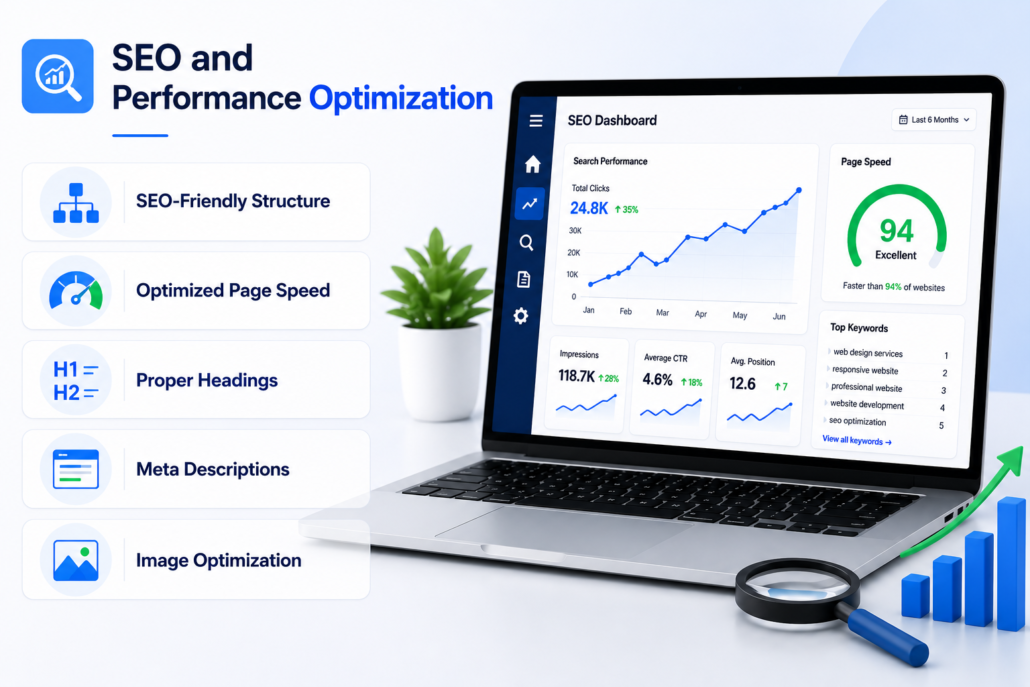
A beautiful website won’t help much if nobody can find it.
Professional websites often include:
These improvements help your website perform better in search engines and provide a better user experience.
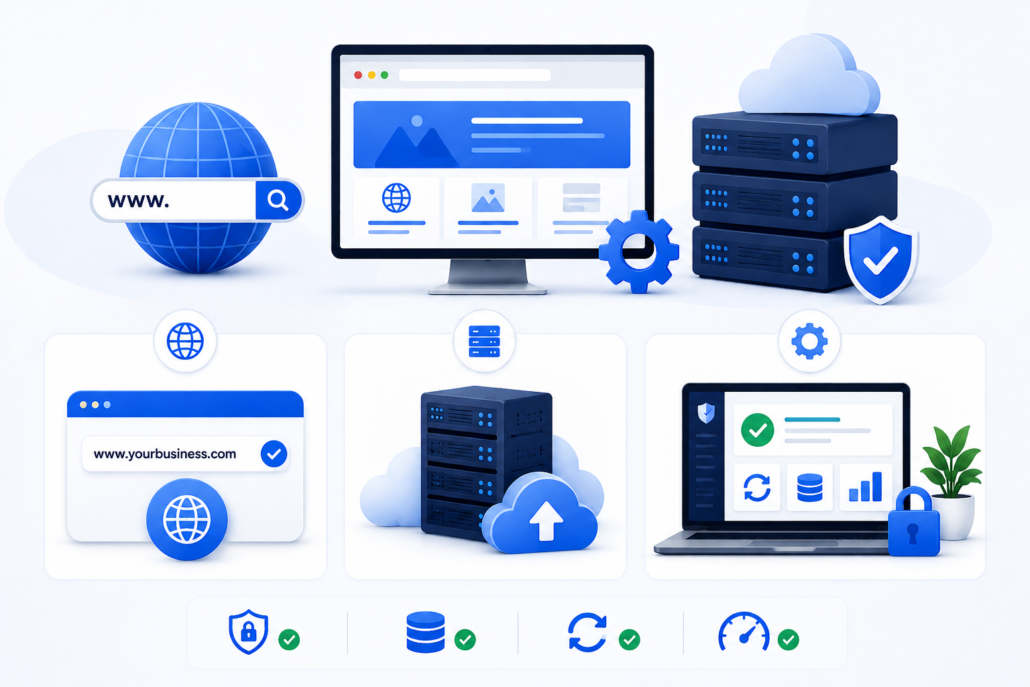
Website ownership involves a few ongoing costs.
Your website address (e.g., yourbusiness.com).
The server where your website files are stored.
Regular updates, backups, security monitoring, and performance checks.
These recurring expenses help keep your website secure and running smoothly.
Instead of focusing only on price, focus on value.
Ask yourself:
A website should be viewed as an investment, not just an expense.
Many businesses choose the cheapest option available and later discover:
Investing in a professionally built website often saves time and money in the long run.
Website costs vary because every business has different goals and requirements.
The best approach is to identify what your business needs today while leaving room for future growth.
A well-designed website can help build trust, attract customers, and support your business for years to come.
Whether you need a simple business website, an e-commerce store, or a custom solution, choosing the right approach can make all the difference.

 WordPress Website: Beginner’s Guide for 2026
Leave a Reply
Want to join the discussion?Feel free to contribute!